August 19, 2025
Hardie Siding Installation
Hardie Siding Installation: A Complete Guide
If you’re considering upgrading the exterior of your home, Hardie siding installation might be the perfect solution. Known for its durability, aesthetic appeal, and low maintenance, Hardie siding is a popular choice among homeowners. In this guide, we’ll walk you through the steps of Hardie siding installation, the benefits, and what you need to know to make your home’s exterior both beautiful and long-lasting.
What is Hardie Siding?
Before we dive into the Hardie siding installation process, let’s first understand what Hardie siding is. Hardie siding is made from fiber cement, a blend of cement, sand, and cellulose fibers. It’s known for its strength, fire resistance, and versatility in terms of style and color.
What to Expect:
-
Durability: Hardie siding is designed to withstand the elements, including harsh weather, pests, and fire.
-
Variety: Hardie offers a wide range of colors and styles, from traditional lap siding to shingles and vertical panels.
Benefits of Hardie Siding
There are many reasons why homeowners choose Hardie siding installation for their homes:
1. Long-Lasting Durability
One of the biggest advantages of Hardie siding installation is its longevity. Fiber cement is known for its ability to withstand extreme weather conditions, making it a great choice for homes in areas prone to high winds, heavy rain, or intense sun exposure.
What to Expect:
-
Hardie siding is resistant to rot, cracking, and warping, unlike wood siding that may deteriorate over time.
-
It’s also impervious to termites and other pests, ensuring your home’s exterior remains intact for years.
2. Low Maintenance
Hardie siding installation requires very little maintenance compared to traditional wood siding. Since fiber cement doesn’t absorb moisture like wood, it won’t swell or crack.
What to Expect:
-
Unlike wood, Hardie siding doesn’t need regular painting or staining. It comes with a pre-finished coating that lasts for many years.
-
Cleaning is as simple as using a hose or a pressure washer to remove dirt and debris.
3. Energy Efficiency
Properly installed Hardie siding helps improve the energy efficiency of your home by adding an extra layer of insulation. This can help keep your home cool in the summer and warm in the winter, potentially reducing heating and cooling costs.
What to Expect:
-
Fiber cement siding can help maintain a consistent temperature inside the home, contributing to overall energy efficiency.
-
Pairing Hardie siding with proper insulation and sealing can enhance your home’s energy performance.
Hardie Siding Installation: Step-by-Step Process
Now that we’ve covered the benefits, let’s go over the Hardie siding installation process to give you an idea of what to expect.
Step 1: Preparation
The first step in the Hardie siding installation process is preparing the exterior of your home. This includes removing any old siding, inspecting the wall for damage, and ensuring the surface is clean and level for the new siding to adhere properly.
What to Expect:
-
The old siding will need to be removed and disposed of.
-
The wall should be inspected for any mold, damage, or imperfections that may need to be addressed before the installation.
Step 2: Install the Moisture Barrier
Once the surface is prepped, a moisture barrier is installed to protect your home from water infiltration. This step is crucial to ensure the longevity and performance of your Hardie siding.
What to Expect:
-
A weather-resistant barrier is applied to the exterior wall, preventing moisture from getting behind the siding.
-
This step ensures that the siding remains durable, preventing mold and rot.
Step 3: Installing the Trim
Before installing the Hardie siding, the trim around windows, doors, and corners should be put in place. This trim provides a neat finish and helps seal the gaps where the siding meets other parts of the house.
What to Expect:
-
Trim pieces are cut and secured around the perimeter of the windows, doors, and corners.
-
This ensures a clean look and prevents air and water from seeping behind the siding.
Step 4: Install the Hardie Siding Panels
Now, the main part of Hardie siding installation can begin. The siding panels are installed one row at a time, starting at the bottom and working upwards. Each panel is fastened to the studs with nails or screws, ensuring a secure fit.
What to Expect:
-
Panels are aligned, leveled, and nailed into place to form a solid barrier against the elements.
-
The seams between the panels are sealed to ensure water doesn’t get in.
Step 5: Painting and Finishing Touches
Once the siding panels are installed, the final step in Hardie siding installation is painting or finishing. If your Hardie siding came pre-painted, this step may be skipped. However, if you opted for unpainted panels, this is when you’ll add a fresh coat of paint to complete the look.
What to Expect:
-
If your siding needs painting, a high-quality exterior paint is applied to ensure the finish lasts.
-
After painting, final inspections are done to ensure there are no gaps or unfinished areas.
Cost of Hardie Siding Installation
The cost of Hardie siding installation can vary depending on factors such as the size of the home, the type of Hardie siding chosen, and the complexity of the installation. On average, the cost ranges from $6 to $12 per square foot, including labor and materials. Keep in mind that additional costs for painting, trim, and moisture barriers may apply.
What to Expect:
-
The overall cost will depend on your home’s size and the type of Hardie siding chosen.
-
While it may be more expensive than other siding options initially, Hardie siding’s durability and low maintenance make it a cost-effective choice in the long run.
Hardie Siding Installation: Final Thoughts
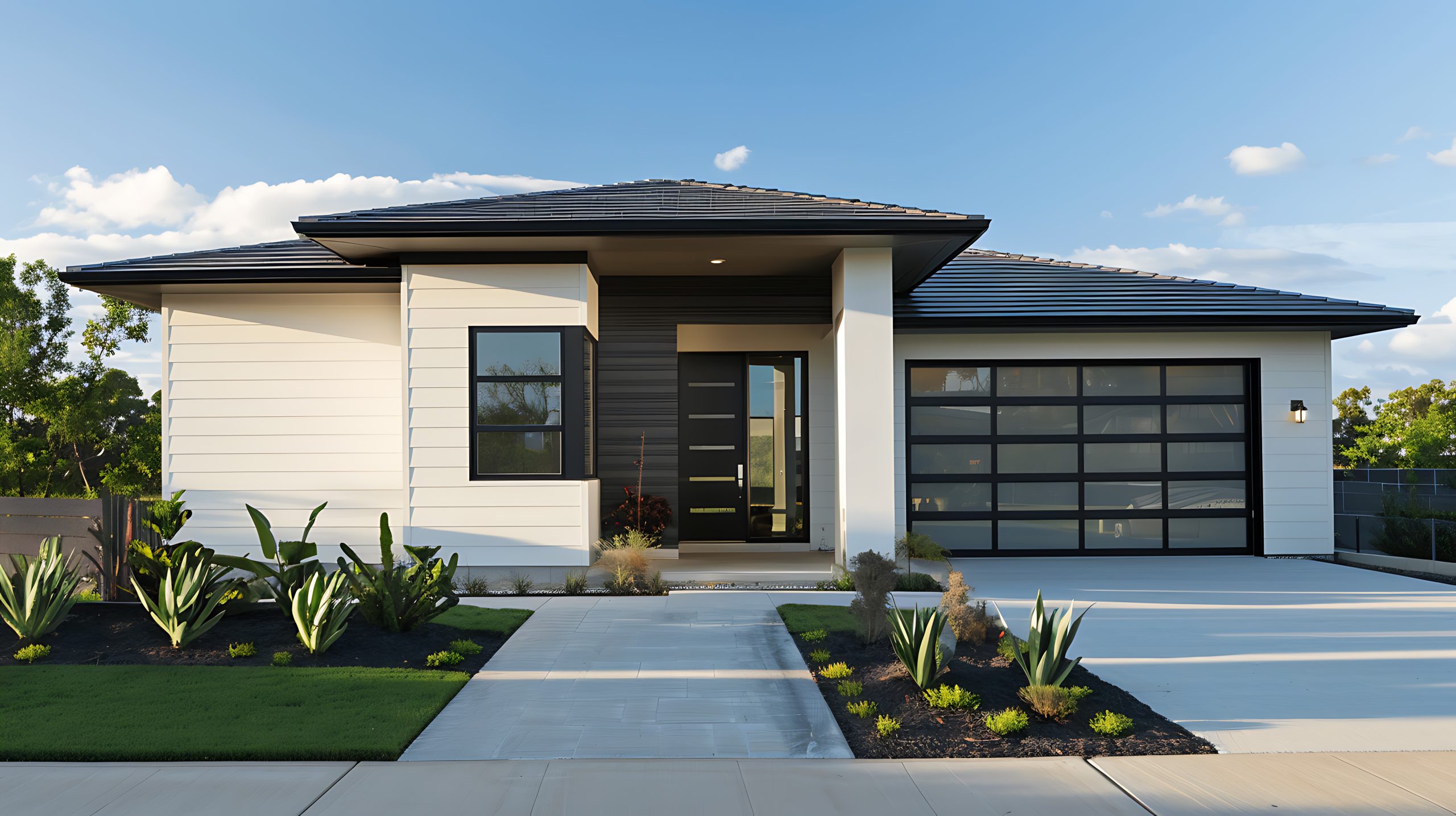
In conclusion, Hardie siding installation is a great way to enhance your home’s curb appeal, increase its durability, and reduce maintenance needs. With its long-lasting, low-maintenance qualities, Hardie siding provides excellent value for homeowners. By following the proper installation steps and using the best materials, your home will be well-protected from the elements for many years.
Whether you’re looking to improve your home’s appearance or increase its energy efficiency, Hardie siding installation is a fantastic investment. If you’re unsure about the process or need professional help, it’s always a good idea to consult with a licensed contractor to ensure the job is done right. Happy siding!